When you're planning a medical career path, you probably have some idea of where you want to end up. Can you see yourself as a respected GP working closely with the local community, or a paramedic regularly facing crises? Are you drawn more towards research or administrative roles, or regular face-to-face contact with patients and other medical staff? The diversity of career options in the healthcare sector means there is something for everyone. We've put together this guide to medical career paths to help you get a better understanding of the different medical jobs available, and what it takes to achieve some of those roles.
The career path to becoming a doctor
It takes years of study to become a doctor, but the journey begins long before medical school. Each year there are around 7,000 places available at university for medical students and competition for these is fierce. If you want to become a doctor, it is never too early to start researching and working toward the requirements for medical school.
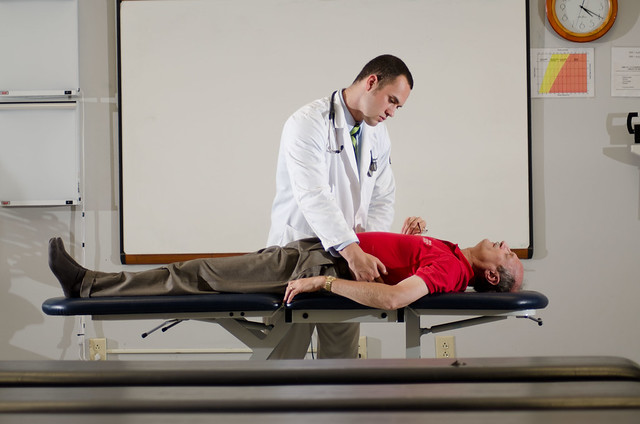
It takes five years of study to be awarded a medical degree. This is followed by a two-year Foundation Programme. You are now a junior doctor, and on successful completion of the first year (F1), you can be recommended for registration with the GMC (
General Medical Council). To work as a doctor in the UK, you must register with the GMC and be granted a license to practice. During the Foundation Programme, most students develop a strong idea of where they want to specialize as a doctor. There are many different areas of specialization. These include:
- General practice
- Surgery
- Medical specialism (such as cardiology, gynecology and pediatrics)
- Emergency medicine
- Public health
Once the Foundation Programme is complete and you are a licensed doctor, you can go on to train in your preferred specialty. You will be required to continue learning throughout your career, by taking part in CPD (continuing professional development) activities. These can include formal courses, reading around specific subjects, and other ways of staying up-to-date with current knowledge and thinking. Depending on the route you choose, you could become a Principal in a GP practice, or a Consultant Surgeon. If you are interested in teaching, you could become an Academic Clinical Fellow. New specialisms and opportunities continue to appear in the medical profession, as our knowledge develops. Doctors of the future will enjoy a huge variety of possible careers.
The career path to becoming a nurse
To become a nurse, you need to complete a university degree in nursing and register with the NMC (
Nursing and Midwifery Council). Entry requirements to nursing school vary, but typically they are looking for five GCSEs and two or three A-levels or the equivalent (such as Scottish Highers or an International Baccalaureate). Most students choose a degree that specializes in one of the following areas: adult nursing, children nursing, learning disability nursing, or mental health nursing.
While a nursing degree usually takes three or four years, some nursing schools offer accelerated training programs. To give a more flexible route into a nursing career, part-time education is also possible. Having completed your degree and registered with the NMC, you can begin a nursing career, typically in a hospital. With extra training and the right experience, you can take your career into more specialist areas such as:
- Neonatal Nursing
- General practice nursing
- Theatre nursing
- Occupational health nursing
Because medical knowledge and practice are continually developing, as a nurse you must stay up to date through CPD (continuing professional development). You will be required to show that you are keen to keep learning. This includes attending courses and maintaining a personal development plan for your career.
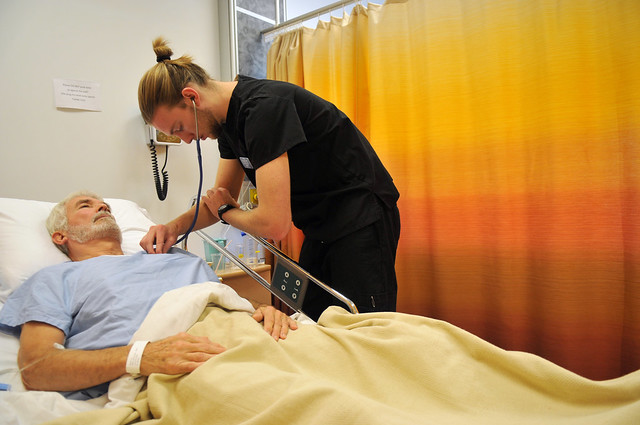
The NMC has recently introduced a requirement for nurses to undertake a
revalidation programme every three years. This includes an assessment of CPD activity, along with reviewing the number of nursing hours worked and other elements of appraisal. The revalidation programme also aims to ensure you practice nursing in line with the professional standards set out in
The Code which describes modern best practice in nursing. Once you've begun working in healthcare as a nurse, there is huge diversity in the path your medical career could take. It may lead to management, research, education, or working overseas.
The career path to becoming a paramedic
The usual route into the profession is to obtain an appropriate qualification in paramedic science, such as a university degree. These courses take between two and four years.
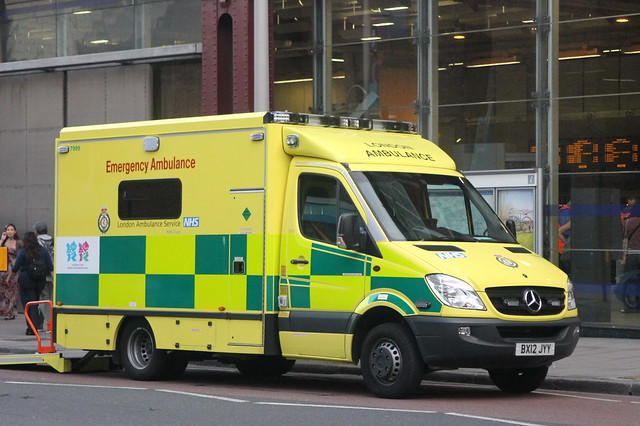
As with almost all roles in the healthcare professions, there is significant competition for places on the courses that lead to a career as a paramedic. It will help your application to have some relevant volunteer experience on your CV, at least some of it having some connection with an ambulance service. As an alternative to university, you could study for a diploma or similar paramedic qualification while working for an ambulance service. This means serving as a student paramedic. Driving skills are important for a paramedic. If youre considering studying while working with an ambulance service, theyll be looking for at least two years of driving experience, and you may need an additional qualification to drive larger vehicles and passenger vehicles. Its worth checking out application requirements well in advance. Whichever path you take, having obtained a relevant qualification you need to register with the
Health and Care Professions Council (HCPC). Once registered, you can then apply for paramedic roles. You may also want to become a member of the College of Paramedics. Having become a paramedic, you could choose further training to become a specialist paramedic, which involves a higher level of clinical responsibility. As an experienced paramedic you can go on to become a:
- Team leader
- Manager of paramedic teams
- Specialist paramedic, such as with an Air Ambulance
- Consultant paramedic
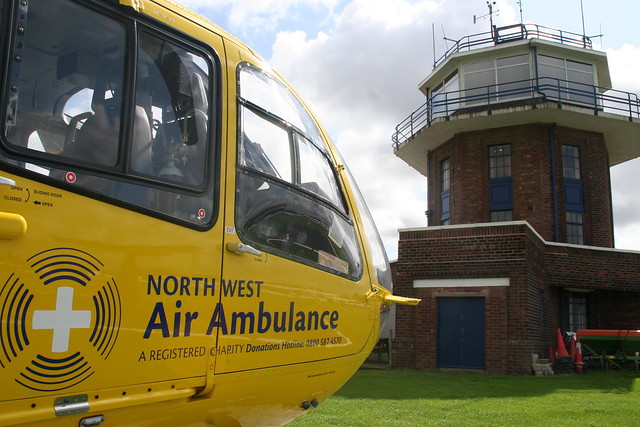
In order for you to stay current with best practice, equipment and medical knowledge, there are specific CPD (continuing professional development) requirements for a paramedic. This involves keeping a record of your learning as you attend courses and engage in other educational activity. Having embarked on a medical career as a paramedic, you can choose to stay working on the front line, or move into more senior roles that involve planning and strategy.
The career path to becoming a midwife
Today, the most common route into a role as a midwife is to take a degree in midwifery. Entry requirements to universities that offer these degrees vary. Typically they're looking for five GCSEs and two or three A-levels or the equivalent (such as Scottish Highers or an International Baccalaureate). You may decide to specialise as a midwife having already qualified for a nursing role. Or you could become interested in the profession having begun in a more junior position, such as a maternity support worker.
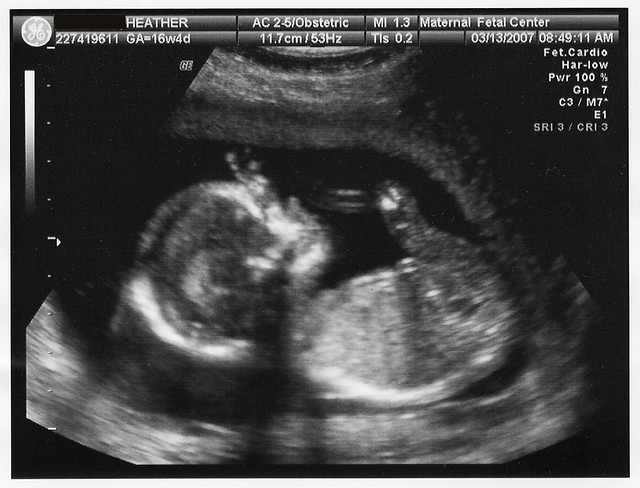
Whatever route you take, it will usually require you to obtain an appropriate degree. You also need to register with the
Nursing and Midwifery Council (NMC). As your knowledge and experience develops as a midwife, you can take your career in various directions. These include:
- Becoming a health visitor
- Getting involved in education or research
- Moving into management roles
- Taking up a post overseas
Qualified midwives, along with nurses, must demonstrate that they are keeping their knowledge and practice up-to-date. Also, they are working in according with The
Code, a set of modern professional standards in healthcare. To help ensure this, the NMC has recently introduced a
revalidation programme. Every three years, midwives and nurses must undergo revalidation. This includes assessing CPD (continuing professional development) activities, such as attending training courses and reviewing the number of hours worked in the profession.
The NHS runs a leadership academy which helps healthcare professionals to develop their skills and build their confidence. This has specific openings for midwives, paving the way to a medical career with more senior leadership roles.
Medical career paths in the UK - summary
Doctor
Five years at medical school/university Two years Foundation Programme Registration with the General Medical Council On-going specialist training Continuing professional development
Nurse
Degree in nursing (usually 2-3 years) Registration with the Nursing and Midwifery On-going specialist training Continuing professional development
Paramedic
Qualification in paramedic science, often a degree (usually 2-4 years) Minimum to two years driving experience Registration with the Health and Care Professions Council On-going specialist training Continuing professional development
Mid-wife
Degree in midwifery (usually 2-3 years) Registration with the Nursing and Midwifery On-going specialist training Continuing professional development
We love to hear about what makes our readers 'tick.' Share what career path you chose and why in the comments section below!

