


MD300C23 Finger Pulse Oximeter
MD300C23 Finger Pulse Oximeter
£39.99 ex.VAT
£39.99 ex.VAT
9 in stock
SKU: MD300C23
Couldn't load pickup availability

Shipping
Shipping
FREE STANDARD SHIPPING available on all orders over £35 EX VAT (mainland UK only)
Next Working Day - available until 8pm Monday to Friday
Weekend Despatch - available until 12pm Sunday for MONDAY delivery (Next working day)
Saturday Delivery Service - available until 5pm Friday.
Why buy from Medisave?
Why buy from Medisave?
Medisave supplies health professionals, business and home users.
- Credit card, PayPal and Amazon Payments accepted
- Free delivery over £25 ex VAT
- NHS, school or company purchase order - email accounts@medisave.co.uk
- Laser engraving
- Delivery to private or commercial addresses
- Google Certified Shop
- Registered with the Medicines and Healthcare products Regulatory Agency (MHRA)
- ISO9001 quality management system + ISO 140001 environmental
- Established 1999
Need some advice? Speak to our friendly team on 0800 804 6447


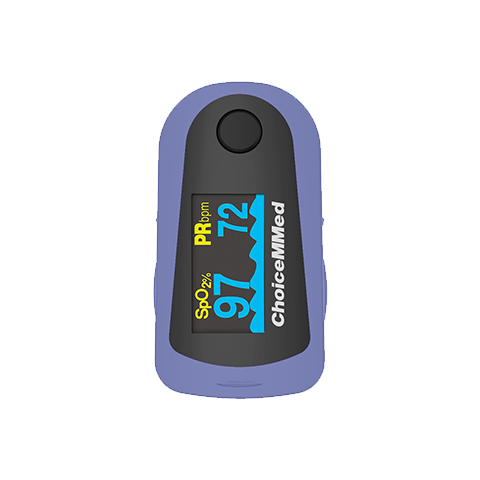
MD300C23 Finger Pulse Oximeter
This finger pulse oximeter measures SpO2 and PR. Its lightweight, portable design makes it ideal for observation kits.
The oxygen pulse oximeter shows blood oxygen saturation level (SpO2), blood pressure pulse bar and waveform on a bright two-coloured OLED screen, making it quick and easy to take readings.
Ideal for use in hospitals, clinics, medical centres and homes.
Features
- Adjustable brightness
- Two-colour OLED display
- 6 display modes
- SpO2, PR, waveform, and pulsebar
- Low power consumption
- Real-time battery status indication
- Weak or unstable signal prompt
- Takes 2 AAA batteries
- Automatic turn off
- ±2% accuracy
- 30 bpm - 250 bpm PR measurement range
- 70 - 100% SpO2 measurement range
- 5.8cm x 3.2cm x 3.4cm
- 5°C - 40°C operating temperature
- -25°C ~ 70°C storage temperature
FAQs
What is a pulse oximeter?
A pulse oximeter is a small device you place on the end of your finger to measure your pulse or heart rate and the level of oxygen in your blood.
How to read a pulse oximeter?
In order to get a reading from a pulse oximeter, turn on the device and place it on your index or middle finger before waiting for the numbers to stabilise.
A pulse oximeter should give you two readings: a percentage and a number typically shown as beats per minute. The percentage is your blood oxygen saturation level (SpO2), and the number is your pulse or heart rate (PR).
How does a pulse oximeter work?
A pulse oximeter is a non-invasive monitoring device in which one side transmits light and the other detects it. The light-emitting side emits both red and infrared light.
By placing the pulse oximeter on the patient's finger (a translucent part of the body), light passes through, and the detector on the other side measures the changing absorbance at each wavelength.
Oxygenated blood absorbs more infrared light, whereas deoxygenated blood absorbs more red light, allowing the device to determine your blood's oxygen level.